
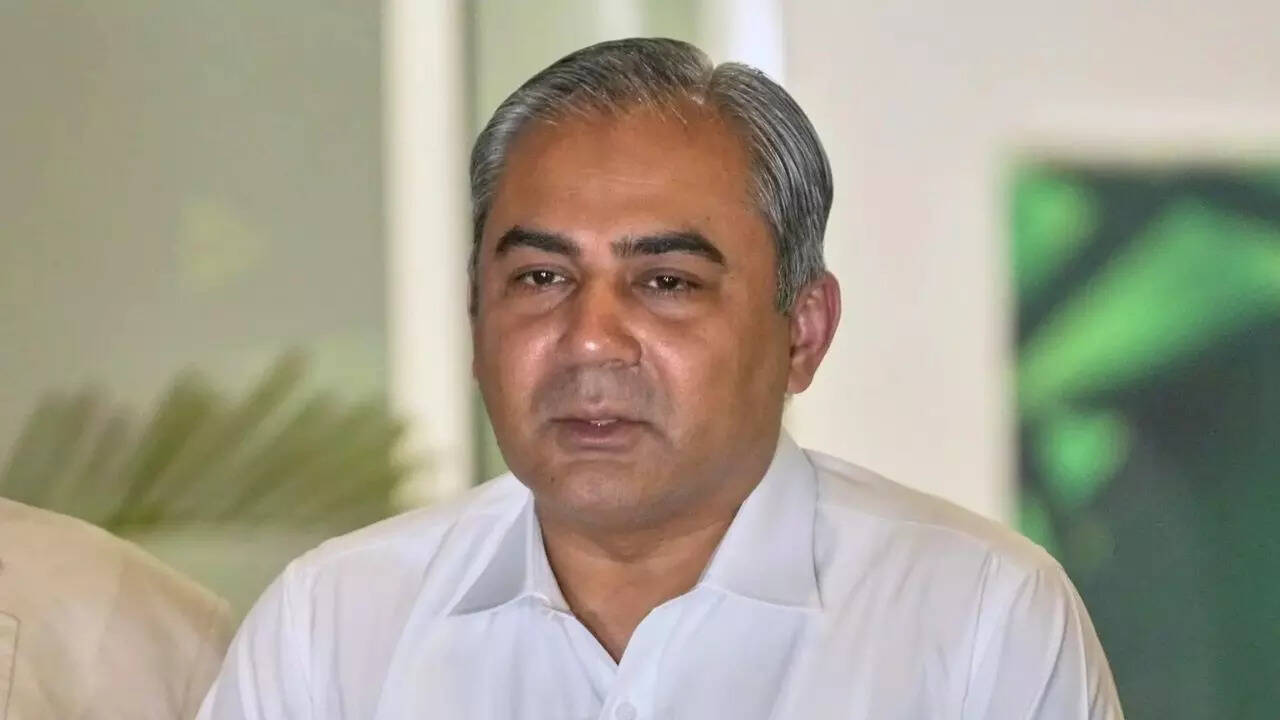
 The tension brewing in the cricketing world over the handshake protocol has intensified as PCB chairman Mohsin Naqvi declared that Pakistan will not enforce handshakes with India if the Indian team shows reluctance, especially leading up to the T20 World Cup 2026. Naqvi emphasized the importance of maintaining sportsmanship and keeping politics at bay, highlighting the need for both teams to be treated equally in such matters. This issue stems back to the aftermath of the Pahalgam attack, resulting in a series of handshake refusals, heated controversies, interventions by the ICC, and even sanctions imposed during recent India-Pakistan cricket tournaments. Naqvi's firm stance signifies Pakistan's commitment to upholding its principles and not succumbing to external pressures in the realm of sports diplomacy. The ongoing handshake row serves as a poignant reminder of the complexities that can arise when sports and politics intersect. As the cricketing community grapples with these challenges, it is imperative for all stakeholders to remember the essence of sportsmanship and fair play above all else. The coming T20 World Cup in 2026 is likely to be a battleground not only on the field but also off it, as teams navigate sensitive geopolitical dynamics. The significance of gestures like handshakes may seem trivial to some, but in the context of India-Pakistan cricketing rivalries, every action holds symbolic weight. It remains to be seen how this issue will unfold in the lead-up to the much-anticipated tournament, and whether a resolution that satisfies all parties involved can be reached. In the midst of uncertainties and tensions, one thing is clear – the spirit of cricket must prevail, and fair play should reign supreme, regardless of the geopolitical complexities that may cloud the horizon.
The tension brewing in the cricketing world over the handshake protocol has intensified as PCB chairman Mohsin Naqvi declared that Pakistan will not enforce handshakes with India if the Indian team shows reluctance, especially leading up to the T20 World Cup 2026. Naqvi emphasized the importance of maintaining sportsmanship and keeping politics at bay, highlighting the need for both teams to be treated equally in such matters. This issue stems back to the aftermath of the Pahalgam attack, resulting in a series of handshake refusals, heated controversies, interventions by the ICC, and even sanctions imposed during recent India-Pakistan cricket tournaments. Naqvi's firm stance signifies Pakistan's commitment to upholding its principles and not succumbing to external pressures in the realm of sports diplomacy. The ongoing handshake row serves as a poignant reminder of the complexities that can arise when sports and politics intersect. As the cricketing community grapples with these challenges, it is imperative for all stakeholders to remember the essence of sportsmanship and fair play above all else. The coming T20 World Cup in 2026 is likely to be a battleground not only on the field but also off it, as teams navigate sensitive geopolitical dynamics. The significance of gestures like handshakes may seem trivial to some, but in the context of India-Pakistan cricketing rivalries, every action holds symbolic weight. It remains to be seen how this issue will unfold in the lead-up to the much-anticipated tournament, and whether a resolution that satisfies all parties involved can be reached. In the midst of uncertainties and tensions, one thing is clear – the spirit of cricket must prevail, and fair play should reign supreme, regardless of the geopolitical complexities that may cloud the horizon.
The tension brewing in the cricketing world over the handshake protocol has intensified as PCB chairman Mohsin Naqvi declared that Pakistan will not enforce handshakes with India if the Indian team shows reluctance, especially leading up to the T20 World Cup 2026. Naqvi emphasized the importance of maintaining sportsmanship and keeping politics at bay, highlighting the need for both teams to be treated equally in such matters. This issue stems back to the aftermath of the Pahalgam attack, resulting in a series of handshake refusals, heated controversies, interventions by the ICC, and even sanctions imposed during recent India-Pakistan cricket tournaments. Naqvi's firm stance signifies Pakistan's commitment to upholding its principles and not succumbing to external pressures in the realm of sports diplomacy. The ongoing handshake row serves as a poignant reminder of the complexities that can arise when sports and politics intersect. As the cricketing community grapples with these challenges, it is imperative for all stakeholders to remember the essence of sportsmanship and fair play above all else. The coming T20 World Cup in 2026 is likely to be a battleground not only on the field but also off it, as teams navigate sensitive geopolitical dynamics. The significance of gestures like handshakes may seem trivial to some, but in the context of India-Pakistan cricketing rivalries, every action holds symbolic weight. It remains to be seen how this issue will unfold in the lead-up to the much-anticipated tournament, and whether a resolution that satisfies all parties involved can be reached. In the midst of uncertainties and tensions, one thing is clear – the spirit of cricket must prevail, and fair play should reign supreme, regardless of the geopolitical complexities that may cloud the horizon.