
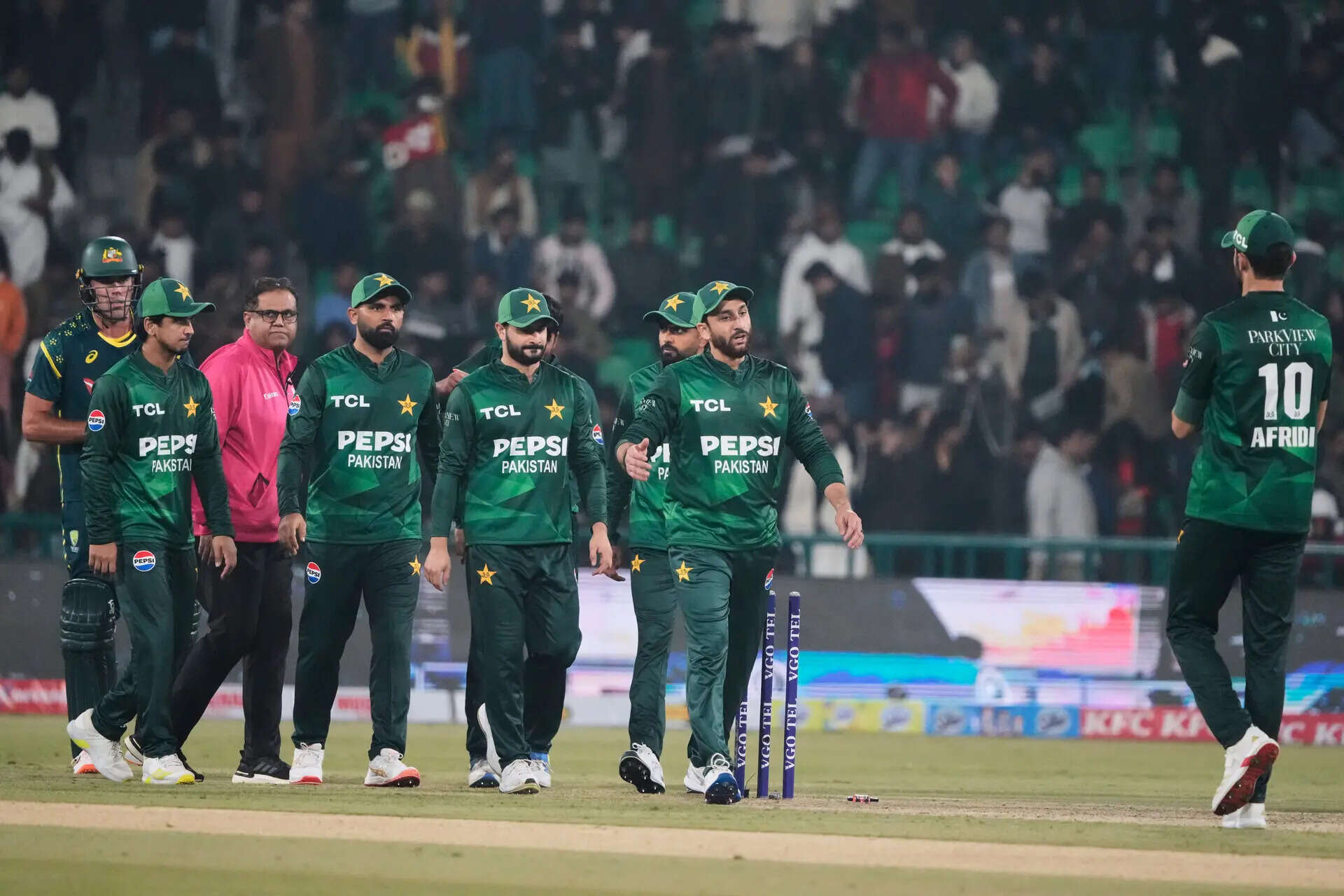
 The cricketing world was recently thrown into chaos when former Pakistan captain Rashid Latif proposed a boycott of the T20 World Cup matches. Initially calling for a full boycott of the tournament, Latif has now revised his stance, withdrawing the call as he believes the right moment has passed. However, in a new controversial move, he has suggested that Pakistan could refuse to play against India in the upcoming T20 World Cup. Latif emphasized that such a decision should be mandated by the government, showing the seriousness of his proposition. Latif's proposal comes in the wake of the exclusion of Bangladesh from the tournament, leading him to believe that a general boycott at this point would lack the intended impact. By pinpointing a potential boycott of the high-stakes match against India, Latif is stirring the pot on one of cricket's fiercest rivalries. The India-Pakistan cricket rivalry is legendary, with matches between the two nations often transcending the boundaries of sport, becoming highly charged geopolitical events. The idea of a major cricketing nation like Pakistan refusing to play against India in a global tournament raises significant questions about the intersection of sports and politics. While some may see it as a bold statement, others might view it as a missed opportunity for players to showcase their talent on a grand stage regardless of the circumstances. As the cricketing community awaits potential developments on this front, the anticipation and speculation surrounding the T20 World Cup only intensifies. It remains to be seen how the authorities, players, and fans will respond to Latif's contentious proposal. In a sport where emotions run high and national pride is at stake, every decision holds the potential to shape the future of cricket diplomacy and rivalry dynamics. The countdown to the T20 World Cup has become even more intriguing with this unexpected twist, setting the stage for a tournament filled with suspense, drama, and perhaps some off-field controversies.
The cricketing world was recently thrown into chaos when former Pakistan captain Rashid Latif proposed a boycott of the T20 World Cup matches. Initially calling for a full boycott of the tournament, Latif has now revised his stance, withdrawing the call as he believes the right moment has passed. However, in a new controversial move, he has suggested that Pakistan could refuse to play against India in the upcoming T20 World Cup. Latif emphasized that such a decision should be mandated by the government, showing the seriousness of his proposition. Latif's proposal comes in the wake of the exclusion of Bangladesh from the tournament, leading him to believe that a general boycott at this point would lack the intended impact. By pinpointing a potential boycott of the high-stakes match against India, Latif is stirring the pot on one of cricket's fiercest rivalries. The India-Pakistan cricket rivalry is legendary, with matches between the two nations often transcending the boundaries of sport, becoming highly charged geopolitical events. The idea of a major cricketing nation like Pakistan refusing to play against India in a global tournament raises significant questions about the intersection of sports and politics. While some may see it as a bold statement, others might view it as a missed opportunity for players to showcase their talent on a grand stage regardless of the circumstances. As the cricketing community awaits potential developments on this front, the anticipation and speculation surrounding the T20 World Cup only intensifies. It remains to be seen how the authorities, players, and fans will respond to Latif's contentious proposal. In a sport where emotions run high and national pride is at stake, every decision holds the potential to shape the future of cricket diplomacy and rivalry dynamics. The countdown to the T20 World Cup has become even more intriguing with this unexpected twist, setting the stage for a tournament filled with suspense, drama, and perhaps some off-field controversies.
The cricketing world was recently thrown into chaos when former Pakistan captain Rashid Latif proposed a boycott of the T20 World Cup matches. Initially calling for a full boycott of the tournament, Latif has now revised his stance, withdrawing the call as he believes the right moment has passed. However, in a new controversial move, he has suggested that Pakistan could refuse to play against India in the upcoming T20 World Cup. Latif emphasized that such a decision should be mandated by the government, showing the seriousness of his proposition. Latif's proposal comes in the wake of the exclusion of Bangladesh from the tournament, leading him to believe that a general boycott at this point would lack the intended impact. By pinpointing a potential boycott of the high-stakes match against India, Latif is stirring the pot on one of cricket's fiercest rivalries. The India-Pakistan cricket rivalry is legendary, with matches between the two nations often transcending the boundaries of sport, becoming highly charged geopolitical events. The idea of a major cricketing nation like Pakistan refusing to play against India in a global tournament raises significant questions about the intersection of sports and politics. While some may see it as a bold statement, others might view it as a missed opportunity for players to showcase their talent on a grand stage regardless of the circumstances. As the cricketing community awaits potential developments on this front, the anticipation and speculation surrounding the T20 World Cup only intensifies. It remains to be seen how the authorities, players, and fans will respond to Latif's contentious proposal. In a sport where emotions run high and national pride is at stake, every decision holds the potential to shape the future of cricket diplomacy and rivalry dynamics. The countdown to the T20 World Cup has become even more intriguing with this unexpected twist, setting the stage for a tournament filled with suspense, drama, and perhaps some off-field controversies.