
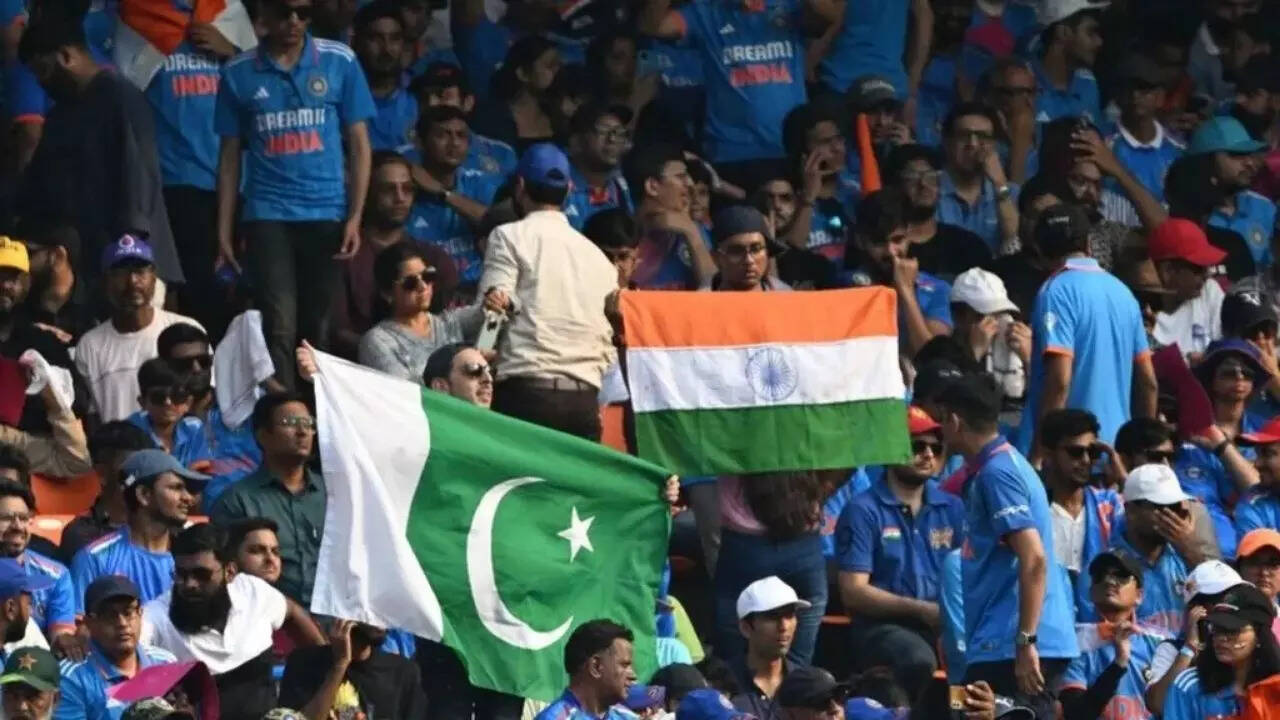
 The cricket world has been rocked once again by the news of Pakistan's refusal to play against India in the upcoming T20 World Cup 2026 on February 15. This decision has reignited the age-old debate surrounding selective participation in ICC matches, with echoes of past incidents such as the 1996 and 2003 World Cups, where teams forfeited matches due to security and political reasons. The history of selective participation in ICC matches dates back to previous World Cup tournaments, where teams have chosen to boycott matches against certain opponents for various reasons. These decisions have often been influenced by political tensions, security concerns, and historical rivalries, creating controversy and division within the cricketing community. The latest controversy involving Pakistan's boycott of the India clash has once again brought the issue to the forefront. The ICC has made it clear that selective participation is unacceptable and warns of consequences for Pakistan's decision. The governing body of cricket has emphasized the importance of sportsmanship, fair play, and upholding the spirit of the game, urging all teams to fulfill their obligations and commitments. As cricket fans and enthusiasts, it is disheartening to see such disputes arise in the sport we love. The essence of cricket lies in the competitive spirit, camaraderie, and mutual respect shared among players and teams. While rivalries add excitement and intensity to the game, it is crucial to separate politics from sports and prioritize the unity and integrity of cricket. The upcoming T20 World Cup 2026 will undoubtedly be overshadowed by the controversy surrounding Pakistan's refusal to play against India. It is a reminder of the challenges and complexities that exist in the world of sports, where geopolitical factors often intersect with sporting events. As the cricketing community navigates through this latest controversy, we can only hope for a resolution that upholds the values and principles that cricket stands for.
The cricket world has been rocked once again by the news of Pakistan's refusal to play against India in the upcoming T20 World Cup 2026 on February 15. This decision has reignited the age-old debate surrounding selective participation in ICC matches, with echoes of past incidents such as the 1996 and 2003 World Cups, where teams forfeited matches due to security and political reasons. The history of selective participation in ICC matches dates back to previous World Cup tournaments, where teams have chosen to boycott matches against certain opponents for various reasons. These decisions have often been influenced by political tensions, security concerns, and historical rivalries, creating controversy and division within the cricketing community. The latest controversy involving Pakistan's boycott of the India clash has once again brought the issue to the forefront. The ICC has made it clear that selective participation is unacceptable and warns of consequences for Pakistan's decision. The governing body of cricket has emphasized the importance of sportsmanship, fair play, and upholding the spirit of the game, urging all teams to fulfill their obligations and commitments. As cricket fans and enthusiasts, it is disheartening to see such disputes arise in the sport we love. The essence of cricket lies in the competitive spirit, camaraderie, and mutual respect shared among players and teams. While rivalries add excitement and intensity to the game, it is crucial to separate politics from sports and prioritize the unity and integrity of cricket. The upcoming T20 World Cup 2026 will undoubtedly be overshadowed by the controversy surrounding Pakistan's refusal to play against India. It is a reminder of the challenges and complexities that exist in the world of sports, where geopolitical factors often intersect with sporting events. As the cricketing community navigates through this latest controversy, we can only hope for a resolution that upholds the values and principles that cricket stands for.
The cricket world has been rocked once again by the news of Pakistan's refusal to play against India in the upcoming T20 World Cup 2026 on February 15. This decision has reignited the age-old debate surrounding selective participation in ICC matches, with echoes of past incidents such as the 1996 and 2003 World Cups, where teams forfeited matches due to security and political reasons. The history of selective participation in ICC matches dates back to previous World Cup tournaments, where teams have chosen to boycott matches against certain opponents for various reasons. These decisions have often been influenced by political tensions, security concerns, and historical rivalries, creating controversy and division within the cricketing community. The latest controversy involving Pakistan's boycott of the India clash has once again brought the issue to the forefront. The ICC has made it clear that selective participation is unacceptable and warns of consequences for Pakistan's decision. The governing body of cricket has emphasized the importance of sportsmanship, fair play, and upholding the spirit of the game, urging all teams to fulfill their obligations and commitments. As cricket fans and enthusiasts, it is disheartening to see such disputes arise in the sport we love. The essence of cricket lies in the competitive spirit, camaraderie, and mutual respect shared among players and teams. While rivalries add excitement and intensity to the game, it is crucial to separate politics from sports and prioritize the unity and integrity of cricket. The upcoming T20 World Cup 2026 will undoubtedly be overshadowed by the controversy surrounding Pakistan's refusal to play against India. It is a reminder of the challenges and complexities that exist in the world of sports, where geopolitical factors often intersect with sporting events. As the cricketing community navigates through this latest controversy, we can only hope for a resolution that upholds the values and principles that cricket stands for.