
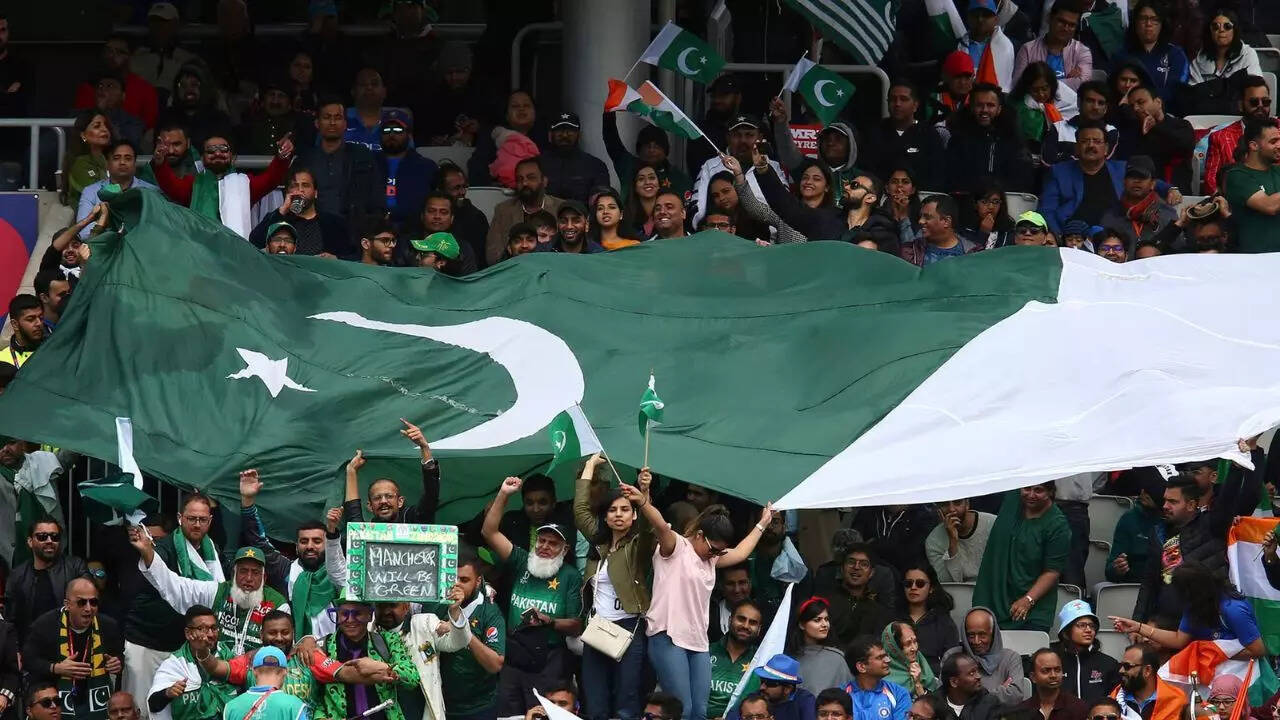
 Pakistan's decision to boycott its T20 World Cup 2026 match against India has stirred up the age-old debate surrounding politics in cricket. The International Cricket Council (ICC) has expressed worries about selective participation, highlighting the complex relationship between sports and geopolitics. This recent development brings to mind a time when Pakistan faced years of isolation in the cricketing world. Teams like New Zealand, Australia, England, and Bangladesh once declined to tour Pakistan due to security concerns, leading to a period of stagnation for Pakistani cricket. The decision by these cricketing nations to avoid visiting Pakistan not only deprived fans of exciting matches but also hindered the growth and development of the sport in the country. Pakistan, known for its passionate cricket supporters, was left longing for international matches and a chance to showcase its talent on home soil. As the cricket world reflects on Pakistan's current stance on match boycotts, it is essential to consider the historical context that led to this point. The dynamics of international cricket are deeply intertwined with political factors, impacting not only the game itself but also the aspirations and opportunities of cricket-playing nations. While the debate over politics in cricket continues, Pakistan's journey from isolation to actively asserting its stance through boycotts sheds light on the complexities of sports diplomacy and the enduring influence of external factors on the game.
Pakistan's decision to boycott its T20 World Cup 2026 match against India has stirred up the age-old debate surrounding politics in cricket. The International Cricket Council (ICC) has expressed worries about selective participation, highlighting the complex relationship between sports and geopolitics. This recent development brings to mind a time when Pakistan faced years of isolation in the cricketing world. Teams like New Zealand, Australia, England, and Bangladesh once declined to tour Pakistan due to security concerns, leading to a period of stagnation for Pakistani cricket. The decision by these cricketing nations to avoid visiting Pakistan not only deprived fans of exciting matches but also hindered the growth and development of the sport in the country. Pakistan, known for its passionate cricket supporters, was left longing for international matches and a chance to showcase its talent on home soil. As the cricket world reflects on Pakistan's current stance on match boycotts, it is essential to consider the historical context that led to this point. The dynamics of international cricket are deeply intertwined with political factors, impacting not only the game itself but also the aspirations and opportunities of cricket-playing nations. While the debate over politics in cricket continues, Pakistan's journey from isolation to actively asserting its stance through boycotts sheds light on the complexities of sports diplomacy and the enduring influence of external factors on the game.
Pakistan's decision to boycott its T20 World Cup 2026 match against India has stirred up the age-old debate surrounding politics in cricket. The International Cricket Council (ICC) has expressed worries about selective participation, highlighting the complex relationship between sports and geopolitics. This recent development brings to mind a time when Pakistan faced years of isolation in the cricketing world. Teams like New Zealand, Australia, England, and Bangladesh once declined to tour Pakistan due to security concerns, leading to a period of stagnation for Pakistani cricket. The decision by these cricketing nations to avoid visiting Pakistan not only deprived fans of exciting matches but also hindered the growth and development of the sport in the country. Pakistan, known for its passionate cricket supporters, was left longing for international matches and a chance to showcase its talent on home soil. As the cricket world reflects on Pakistan's current stance on match boycotts, it is essential to consider the historical context that led to this point. The dynamics of international cricket are deeply intertwined with political factors, impacting not only the game itself but also the aspirations and opportunities of cricket-playing nations. While the debate over politics in cricket continues, Pakistan's journey from isolation to actively asserting its stance through boycotts sheds light on the complexities of sports diplomacy and the enduring influence of external factors on the game.