
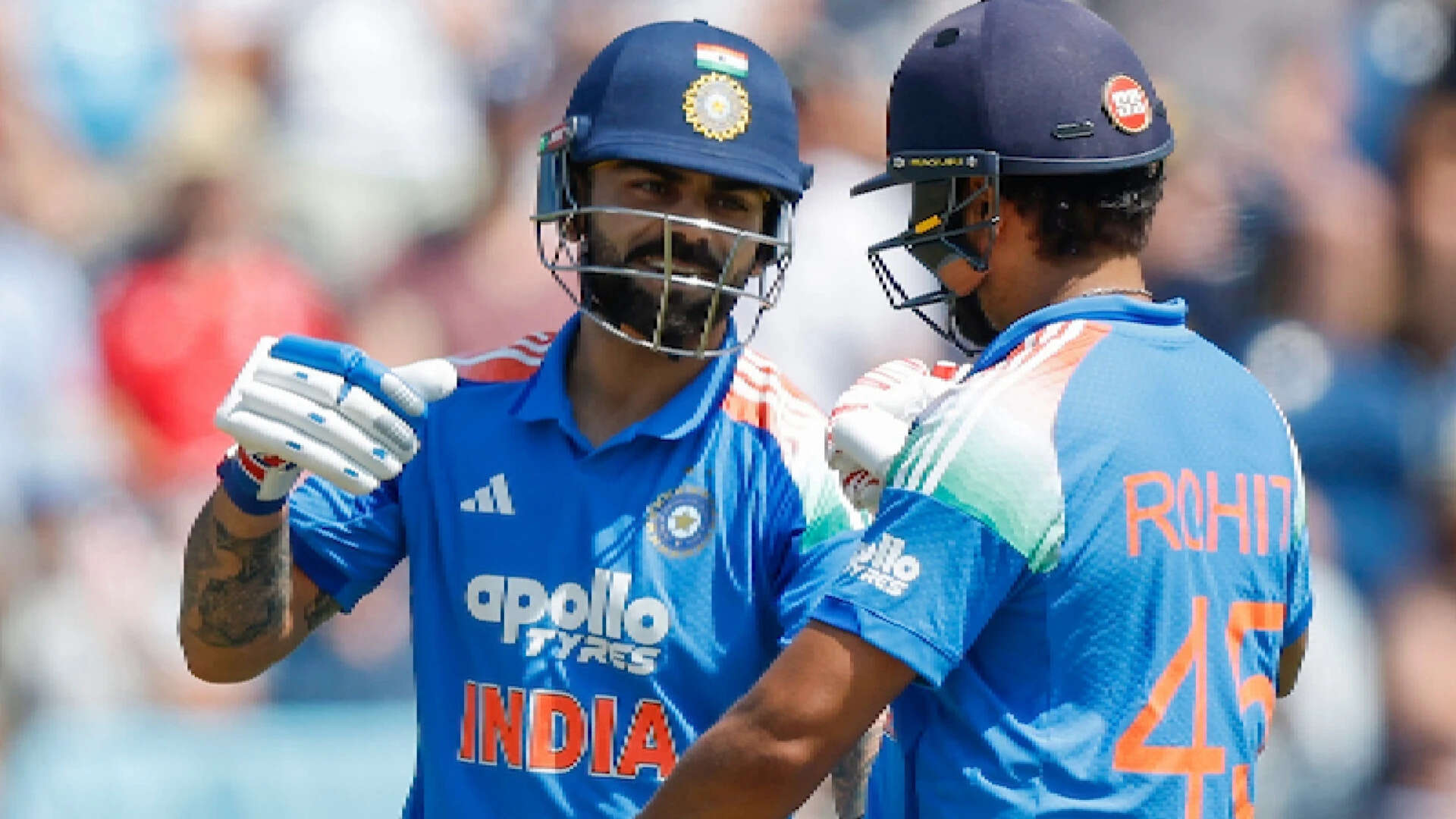
The debate around Virat Kohli and Rohit Sharma in India’s ODI setup has returned with familiar intensity. Every time India look ahead to another ICC cycle, questions about age, transition and future planning begin to dominate the conversation. This time, however, Ravichandran Ashwin has added a sharp and sensible perspective: if India were planning to move on from two of their biggest white-ball icons, why is the discussion happening so late?
Ashwin’s point is not just about emotion or legacy. It is about timing, communication and cricketing logic. With another World Cup cycle already underway, any serious transition plan should have been communicated much earlier by the selectors and team management. According to Ashwin’s view, senior players of the stature of Rohit and Kohli deserve clarity, not speculation.
The Timing of the Debate Is the Real Issue
In Indian cricket, debates around senior players often become reactive rather than strategic. A poor series, a change in captaincy, or a new selection committee can suddenly trigger conversations about the future. Ashwin has questioned exactly that pattern.
If the selectors believed India needed to start building an ODI team without Rohit and Kohli, that roadmap should have been outlined clearly after the previous World Cup. Instead, the conversation appears to be surfacing when the next global tournament is already approaching. That leaves very little room for a smooth transition.
Great teams do not stumble into transition. They plan it.
Why Rohit and Kohli Still Matter
There is no denying that India have a strong pool of young batting talent. Players are emerging with fearless intent, better fitness and strong IPL exposure. But ODI cricket, especially in ICC events and tough overseas conditions, demands more than aggression. It requires game awareness, pressure handling and the ability to bat through phases.
That is where Rohit Sharma and Virat Kohli remain invaluable.
- Rohit Sharma brings tempo control at the top and the ability to dominate powerplays without losing shape.
- Virat Kohli remains one of the greatest ODI chasers and middle-over anchors the format has ever seen.
- Both players carry immense experience in high-pressure knockout matches and overseas tours.
- Their presence can help younger players settle into defined roles rather than being thrown into sudden responsibility.
Ashwin’s argument is not that India must depend on reputation forever. Rather, it is that experience should not be discarded without a clear replacement structure.
Communication Is Key in Managing Legends
One of the strongest themes in Ashwin’s remarks is the need for honest communication. Senior players should not be left to understand their future through media speculation or public debate. When dealing with players who have served Indian cricket for over a decade, selectors must be direct, respectful and transparent.
If the plan is to continue with Rohit and Kohli, they should be given role clarity. If the plan is to gradually transition away, they should be informed early enough to make decisions about their preparation and careers. Silence creates confusion, and confusion often becomes controversy.
In elite sport, transition is not just about replacing names. It is about managing people, roles and expectations.
The World Cup Question
The central question remains: do India need Virat and Rohit for the next World Cup?
The honest answer is: India need the best possible ODI team, not the youngest team or the most sentimental team. If Rohit and Kohli remain fit, motivated and productive, their inclusion should not be seen as a step backward. At the same time, India must avoid delaying the development of next-generation players.
The ideal path may be a balanced one: keep the experienced duo involved in important ODI assignments while gradually exposing younger batters to high-pressure situations. That way, India do not lose experience overnight, and the next core gets enough time to grow.
Ashwin’s Bigger Message
Ashwin has effectively reminded Indian cricket that selection debates should be handled with foresight. Rohit Sharma and Virat Kohli are not ordinary players fighting for relevance. They are two modern greats who have shaped India’s white-ball identity for years.
Whether they continue till the next World Cup or not, the decision must be made through cricketing logic and honest dialogue. Late speculation helps nobody — not the players, not the selectors, and certainly not the team.
Final Thoughts
The question, “Do we need Virat and Rohit?”, should not be answered emotionally or hastily. India need experience, stability and proven match-winners, but they also need a clear future plan. Ashwin’s intervention is important because it shifts the debate from individuals to process.
For a team with World Cup ambitions, clarity is as important as talent. And when it comes to managing legends like Rohit Sharma and Virat Kohli, Indian cricket must choose communication over confusion.