
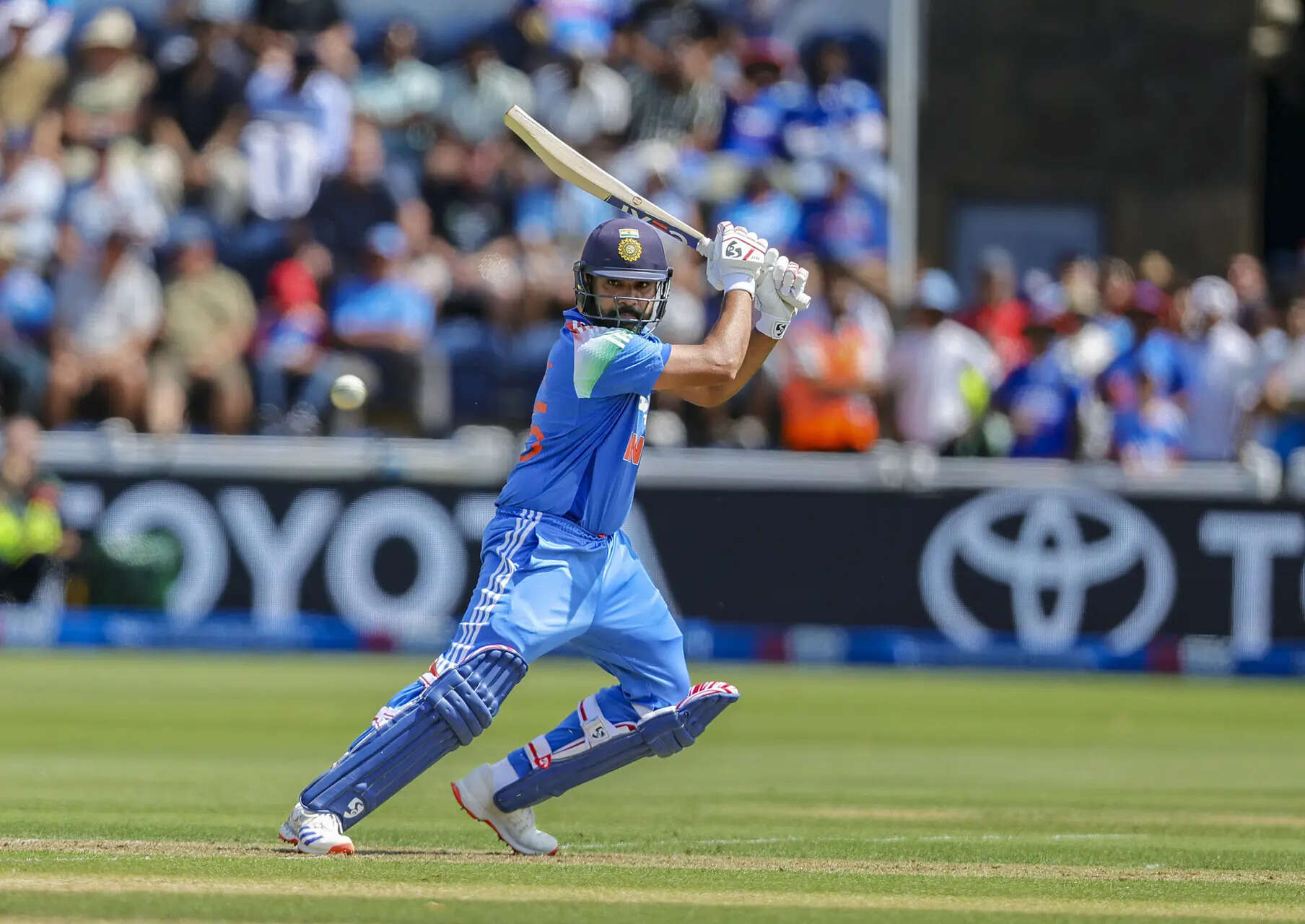
India bowling coach Morne Morkel has thrown his weight behind Rohit Sharma amid growing scrutiny over the Indian captain’s form, insisting there are “no worries at all” about the veteran opener’s place or impact in the side.
With India navigating testing conditions in the ongoing series, Rohit’s returns at the top have come under the microscope. However, Morkel made it clear that the team management remains fully confident in the skipper’s ability, experience and value inside the dressing room.
Rohit’s Experience Still Crucial for India
Opening the batting in English conditions is rarely straightforward, and Morkel acknowledged that the new ball has posed serious challenges throughout the series. Seam movement, swing and variable bounce have made life difficult for batters early on, particularly at venues such as Lord’s.
According to Morkel, Rohit’s role goes beyond just runs. His calm presence, tactical awareness and ability to absorb pressure remain vital for India’s batting group.
“No worries at all,” was the clear message from Morkel when asked about Rohit Sharma’s form and the scrutiny surrounding him.
For India, Rohit’s leadership and composure are especially important in a series where momentum has shifted quickly. Even when runs have not flowed freely, his influence in guiding younger batters and keeping the dressing room steady cannot be overlooked.
Challenging Conditions for Openers
Morkel’s defence of Rohit also reflects the broader reality of the series: opening batters from both sides have had to fight hard for survival. The Dukes ball, overcast skies and lively pitches have ensured that early runs are earned rather than gifted.
In such conditions, starts can be fragile and even experienced batters can look uncertain. Morkel suggested that judging Rohit purely by numbers would ignore the difficulty of the role he is performing at the top of the order.
India Must Adapt Quicker at Lord’s
While Morkel backed Rohit strongly, he also admitted that India’s batting unit needs to respond faster to the conditions at Lord’s. The iconic venue often demands patience, discipline and a willingness to leave deliveries outside off stump.
For India, the challenge is not only about individual form but collective adaptability. Batters need to assess lengths quickly, trust their defence and avoid being drawn into false shots by lateral movement.
The middle order, in particular, will be expected to support the top order better by building partnerships and ensuring that early setbacks do not turn into collapses.
Bowling Concern: Breaking Middle-Over Partnerships
Morkel also pointed to a key area of improvement for India’s bowling attack: breaking partnerships in the middle overs. While India’s bowlers have often created early pressure, sustaining that intensity has been a challenge when opposition batters settle in.
In Test cricket, middle-over partnerships can quietly shift the balance of a match. Morkel emphasized that India must find ways to stay aggressive, rotate plans effectively and force mistakes during phases when the ball is older and conditions are less helpful.
This could involve sharper field placements, disciplined short-ball plans, reverse swing options and more consistent pressure from both ends.
A Balanced Message from Morkel
Morkel’s comments offered both reassurance and realism. On one hand, he made it clear that the team has complete faith in Rohit Sharma. On the other, he did not shy away from identifying areas India must improve if they are to gain control of the series.
For Rohit, the backing from the coaching staff will be welcome as he looks to convert experience into runs. For India, the message is simple: trust the leaders, adapt quicker with the bat and become more ruthless with the ball in key passages of play.
If India can address those flaws, Rohit’s calm leadership and the team’s overall depth could still prove decisive in challenging English conditions.