
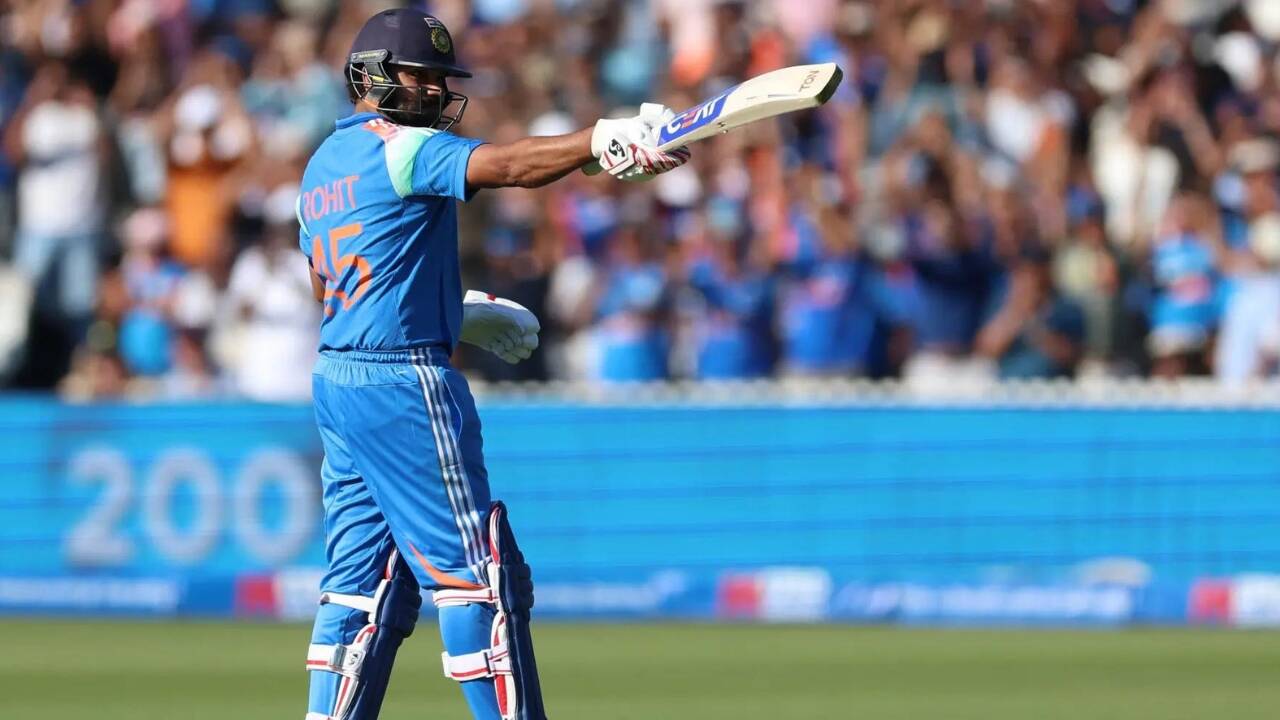
Lord’s witnessed another familiar Indian contradiction: individual brilliance wrapped inside a disappointing team result. Rohit Sharma produced the kind of innings that still reminds world cricket of his timeless class, but India’s batting unit failed to build around him as the visitors folded at the Home of Cricket and ended a difficult white-ball tour with just one win.
For a side packed with talent, pedigree and experience, the campaign will be remembered less for moments of promise and more for missed opportunities. India arrived with expectations, but leave with uncomfortable questions — about leadership, batting depth, bowling execution, and the team’s ability to close out pressure moments away from home.
Rohit Rolls Back the Years
Rohit Sharma’s innings was the standout Indian contribution at Lord’s. His timing, balance and shot selection offered a reminder of why he remains one of the most elegant white-ball batters of his generation. While others struggled to find rhythm, Rohit looked composed, picking gaps with precision and punishing anything loose.
There was authority in his strokeplay and calmness in his approach. At times, it felt as though India had found the anchor they needed to dictate the game. But cricket is rarely won by one batter alone, and that proved to be the story of the day.
India’s Middle Order Fails to Respond
The biggest disappointment was what followed Rohit’s resistance. India’s middle order once again failed to convert a platform into a match-winning total. Partnerships were brief, dismissals were soft, and the innings lost momentum at crucial stages.
At Lord’s, where conditions often reward patience and discipline, India appeared caught between aggression and caution. The result was a batting performance that lacked structure. Players got starts, but there was no sustained support for Rohit. Once the pressure increased, India’s innings unravelled quickly.
A Tour to Forget for Gautam Gambhir
Head coach Gautam Gambhir will board the flight from London with plenty to reflect on. India won just one match across the white-ball tour, a return far below the standards expected from a team of their quality.
The tour also included a damaging T20I whitewash at the hands of Ireland, a result that will sting both the players and the management. For a side that prides itself on depth and bench strength, being outplayed across formats raises serious concerns about preparation, selection and adaptability.
Gambhir has built his reputation on intensity, accountability and tactical sharpness. But this tour has shown that reputation alone cannot fix structural issues. India looked short of clarity in key moments, and the inability to respond under pressure will likely dominate the post-tour review.
Shubman Gill’s Captaincy Search Continues
For Shubman Gill, the wait for a series win as captain continues. Since taking over the captaincy from Rohit Sharma last October, Gill is yet to lead India to a series victory. That statistic will now become harder to ignore.
Gill remains one of India’s brightest batting talents, but leadership brings a different kind of scrutiny. His calm personality is an asset, but India have lacked a ruthless edge under his captaincy so far. The challenge for Gill is not just to score runs, but to inspire collective conviction — especially when matches begin to slip away.
Captaincy transitions are rarely seamless, and India are clearly in a period of adjustment. But patience will not be unlimited. Results matter, and Gill will know that the next series could carry added pressure.
Bowling Lacks the Final Bite
While India’s batting collapse grabbed attention, the bowling unit was also inconsistent across the tour. There were spells of quality, but not enough sustained pressure. The best white-ball teams operate with clear roles: wicket-takers in the middle overs, death specialists at the back end, and new-ball bowlers who strike early.
India showed flashes of those qualities, but not frequently enough. Too often, opposition batters were allowed to rebuild after early setbacks or accelerate without enough resistance in the closing stages.
What This Defeat Means for India
This was not merely a defeat at Lord’s. It was the conclusion of a tour that exposed gaps in India’s white-ball system. The team has match-winners, but the collective identity appears uncertain. Is India building around youth? Are senior players still central to the plan? Is the captaincy transition fully settled? These are questions the management must answer quickly.
Rohit Sharma’s performance may offer comfort, but it also highlights a deeper concern: India are still relying heavily on moments of individual brilliance. In modern white-ball cricket, that is rarely enough.
Final Word
India leave England with just one win, a bruising T20I whitewash against Ireland, and another defeat at Lord’s despite Rohit Sharma’s brilliance. For Gautam Gambhir, this tour will demand honest introspection. For Shubman Gill, it extends an uncomfortable captaincy record. And for Indian cricket, it is a reminder that talent alone does not guarantee results.
Rohit fired, but India folded. That line sums up not just the match at Lord’s, but perhaps the entire tour — flashes of class, followed by collective disappointment.